

LSBU’s BIG Growth Programme helped health-tech company Vitacam evaluate the usability of its smartphone app, providing evidence to inform product improvements and supporting a peer-reviewed publication in digital health.
The challenge
Vitacam needed independent evidence that its smartphone app could be used reliably and confidently by patients at home, without clinical supervision. The app uses computer vision and remote photoplethysmography to measure vital signs from a short video recorded on a smartphone, but factors such as movement and lighting could affect the user experience and the quality of measurements.
The company needed to understand how patients with cardiac and respiratory conditions would use the app in a real-world home setting and identify any improvements that could make the experience simpler and more accessible.
The solution
Through the BIG Growth Programme, Vitacam partnered with London South Bank University’s School of Applied Sciences and Dr Kerry Wood as part of a 75-hour academic collaboration.
The project included research planning, ethics approval, participant recruitment through the South London Health Innovation Network and a week-long home trial. Participants with cardiac and respiratory conditions used the app independently before taking part in interviews about their experience.
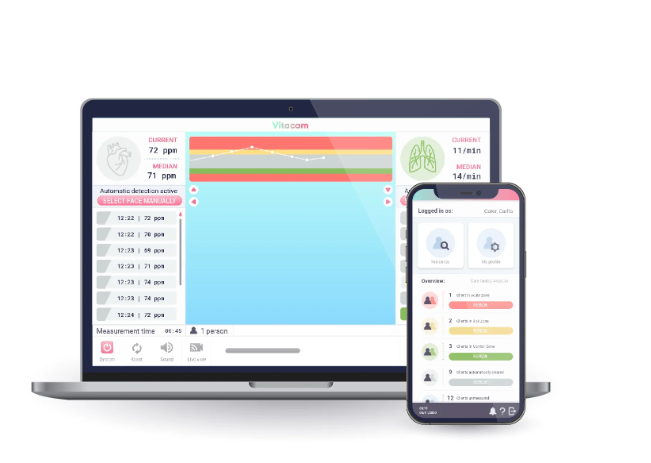
The research team then analysed the feedback thematically to identify key usability findings and recommendations for the Vitacam team.
The impact
Eight participants consented to take part in the study, with seven completing follow-up interviews and providing valuable feedback on their experience of using the app at home.
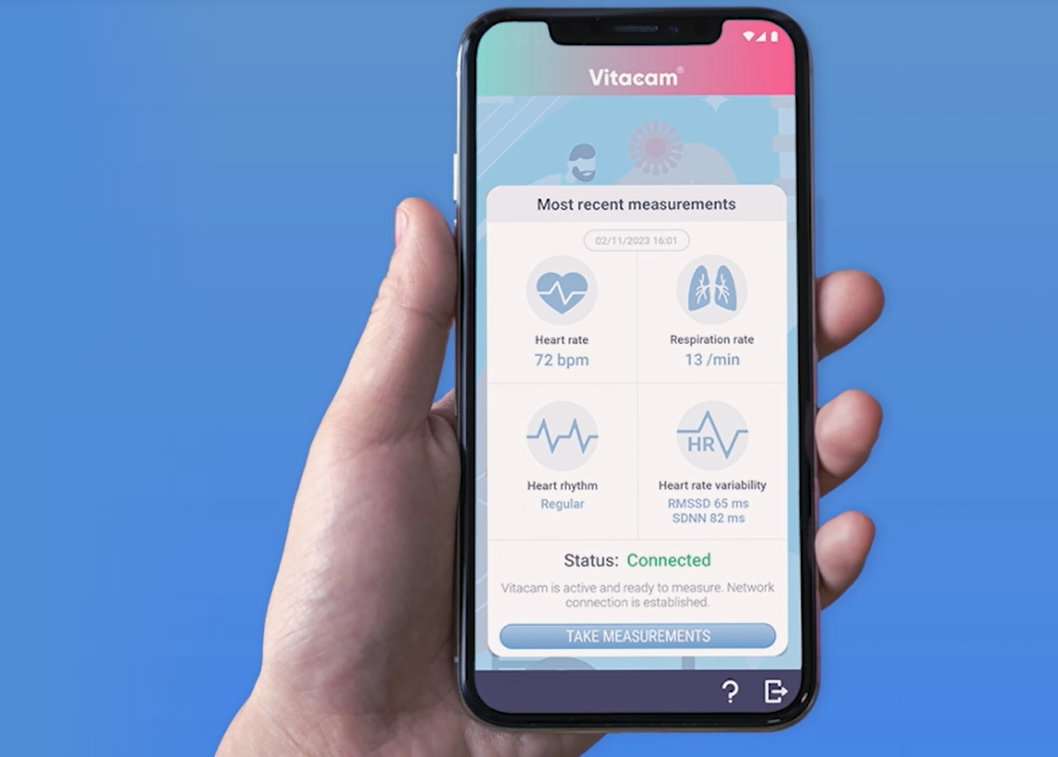
The research also identified opportunities for improvement, including clearer error messages, greater resilience to different lighting and connectivity conditions, expanded health-metric feedback and improved accessibility.
The findings directly informed product development and gave Vitacam independent evidence of how patients experienced the technology in a real-world setting.
The collaboration also led to a peer-reviewed paper published in Digital Health, contributing further evidence to the development of remote photoplethysmography-based health applications.
Looking ahead
Following the study, Vitacam was acquired by Evondos. The technology is expected to be commercialised once its CE mark is updated to include oxygen saturation monitoring under the Medical Device Regulation.
Vitacam also expressed strong interest in continuing its collaboration with Dr Kerry Wood and LSBU, building on the research and expertise developed through the BIG Growth Programme.
Reflections from the team
“Collaboration with Dr Kerry Wood and LSBU was very smooth and efficient. The results of the study will benefit not only us but also other digital health innovators. I personally learned a great deal about usability and research.”
Moyeen Ahmad, Vitacam
“Working with Vitacam gave our team the opportunity to design and deliver a genuinely rigorous piece of usability research, from ethics approval through to publication. It was a pleasure collaborating with such an engaged and responsive SME partner, and I’m delighted the study has resulted in a peer-reviewed paper that will benefit not just Vitacam but the wider digital health field.”
Dr Kerry Wood, Health and Wellbeing Research Centre, London South Bank University
“Vitacam was a great example of what the BIG Growth Programme can achieve when an SME with a genuinely innovative product connects with the right academic expertise. Seeing the project move from initial scoping through to a published research paper was really rewarding, and it’s a strong demonstration of the impact academic-industry collaboration can have for a growing health-tech business.”
Alex Hokin & Anna Kulhan, BIG Growth Programme Team
If you'd like to collaborate with our experts, get in touch.
About the programme
The BIG Growth Innovation Programme connects South London businesses with academic expertise from London South Bank University and partner universities, delivering tailored collaborative support to help businesses innovate and grow. The programme is funded through the UK Shared Prosperity Fund (UKSPF) by the Greater London Authority. The aim of the UKSPF was to improve pride in place and increase life chances across the UK by investing in communities and place, supporting local businesses, and developing people and skills.